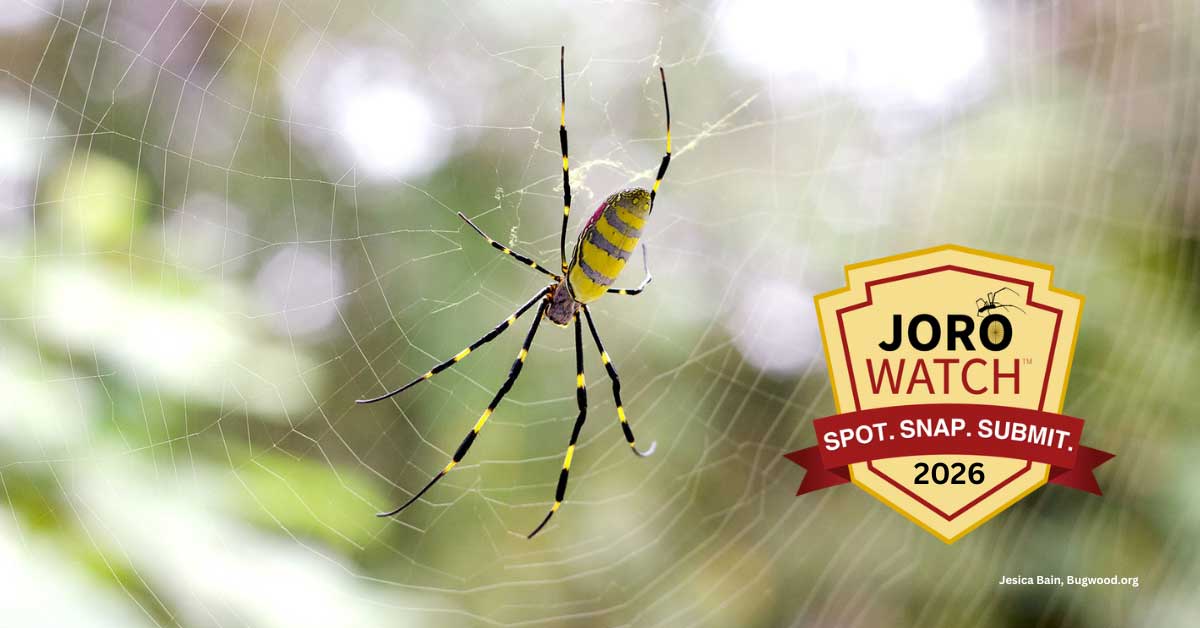
Joro Watch 2026: Oct 12-18, 2026
Join the 5th Annual Joro Spider Spotting Contest, October 12–18, 2026. Submit sightings through JoroWatch.org, EDDMapS.org, or the free EDDMapS app and help track the spread of Joro spiders through citizen science.
Stay connected to what’s happening across Bugwood.

Join the 5th Annual Joro Spider Spotting Contest, October 12–18, 2026. Submit sightings through JoroWatch.org, EDDMapS.org, or the free EDDMapS app and help track the spread of Joro spiders through citizen science.


Explore global invasive species challenges on the 2026 International Tour in South Africa, with immersive site visits focused on ecosystem impacts, land management, and innovative solutions.

Join the 2027 Wild Spotter Invasive Species Ambassador Training in Alabama to gain hands-on skills in community-based invasive species management, using tools like EDDMapS and the Wild Spotter app.

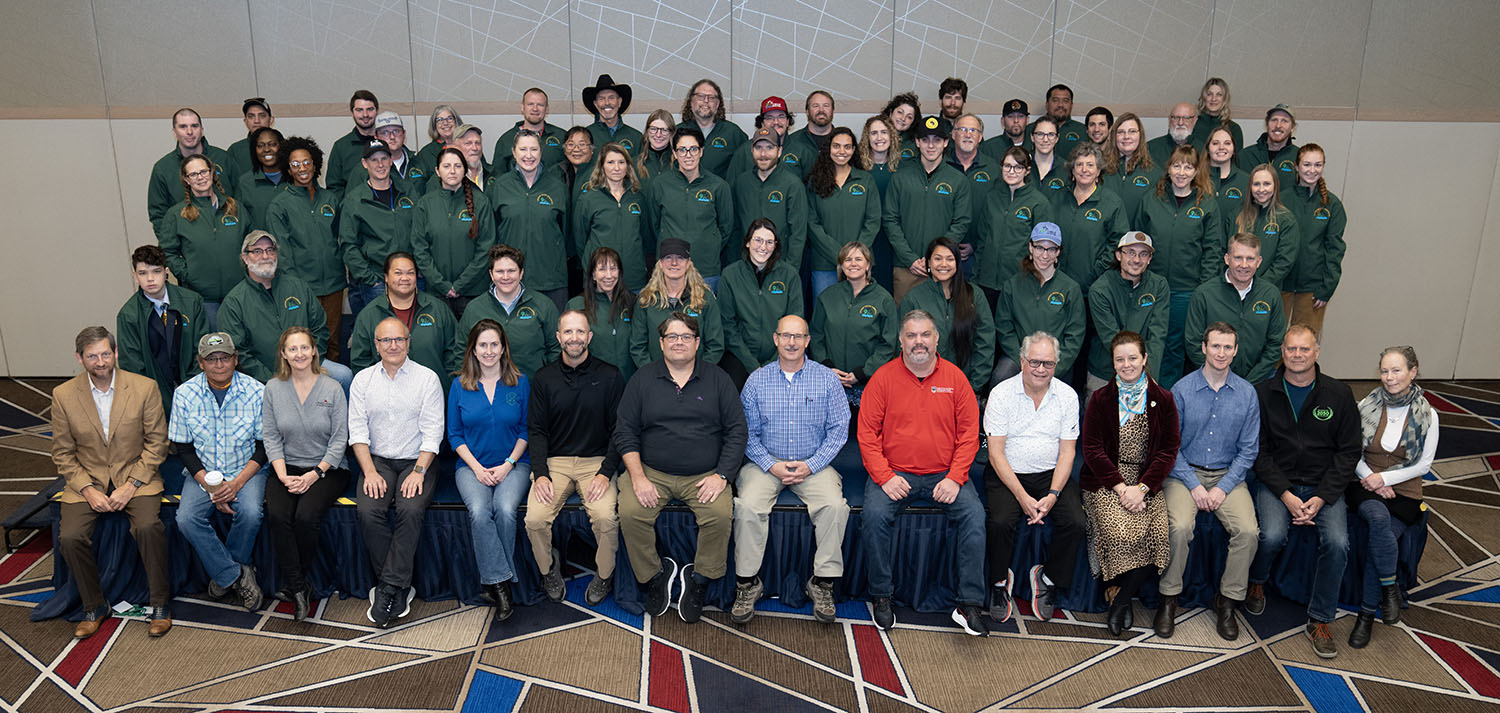
Celebrate 30 years of Bugwood at the 2026 Bugwood Summit, featuring the latest updates to EDDMapS, Bugwood Images, Wild Spotter, and real-world applications of these tools.

Bugwood, the University of Georgia’s Center for Invasive Species and Ecosystem Health, celebrates 30 years of advancing invasive species management through innovative technology and collaboration. From early CD-ROM projects to nationally recognized tools like EDDMapS and Wild Spotter, Bugwood continues to develop solutions that support education, reporting, and resource management. Explore how Bugwood Tools are driving impact and what’s ahead as the Center enters its fourth decade.

The Wild Spotter detection and outreach program is expanding its impact with the addition of two major federal partners: the National Park Service (NPS) and the U.S. Fish & Wildlife Service (USFWS).

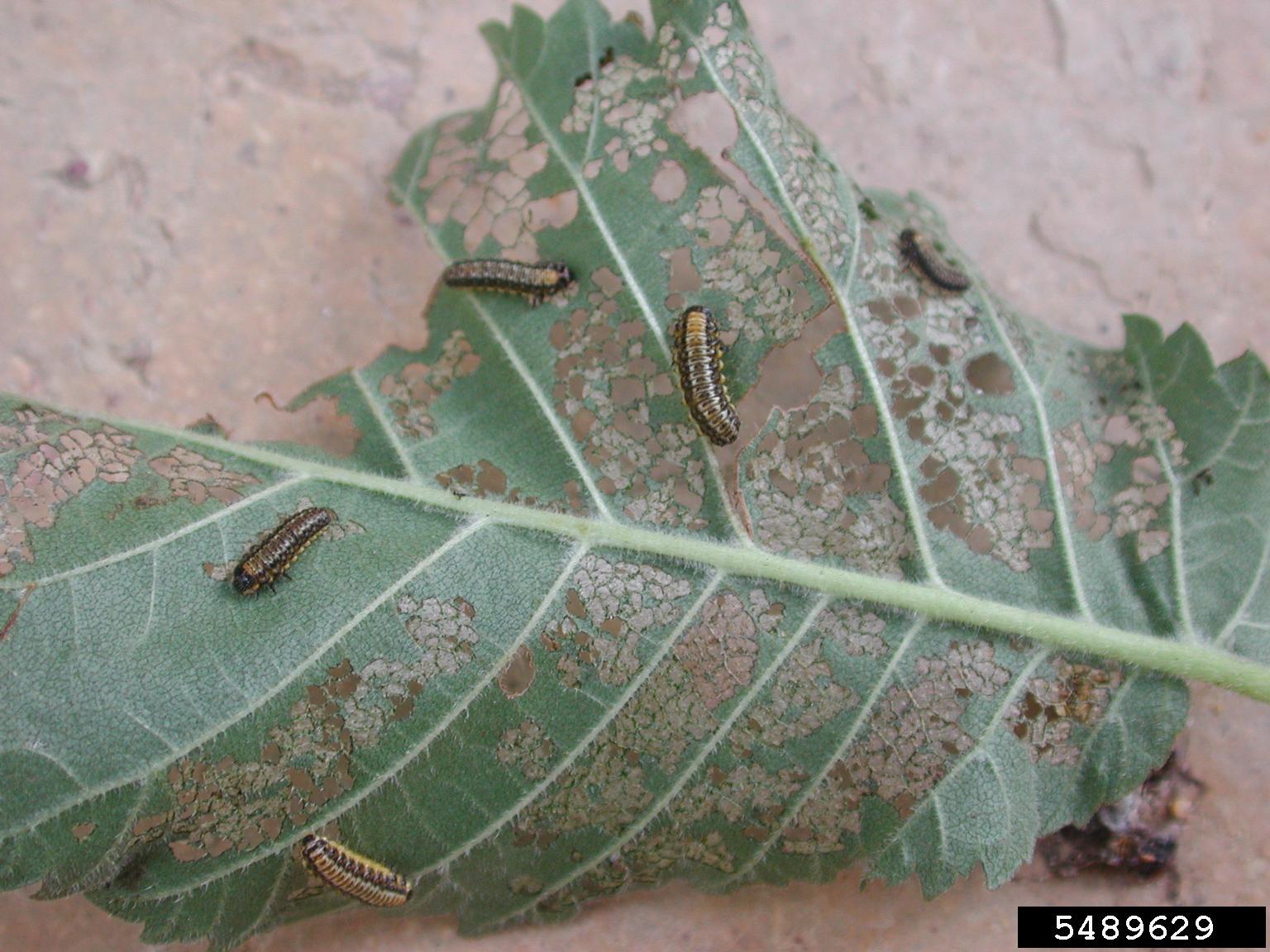
Southern pine beetle, spotted lanternfly, fall webworm, and elm leaf beetles, oh my! Keep your eyes open for these summer tree insects.

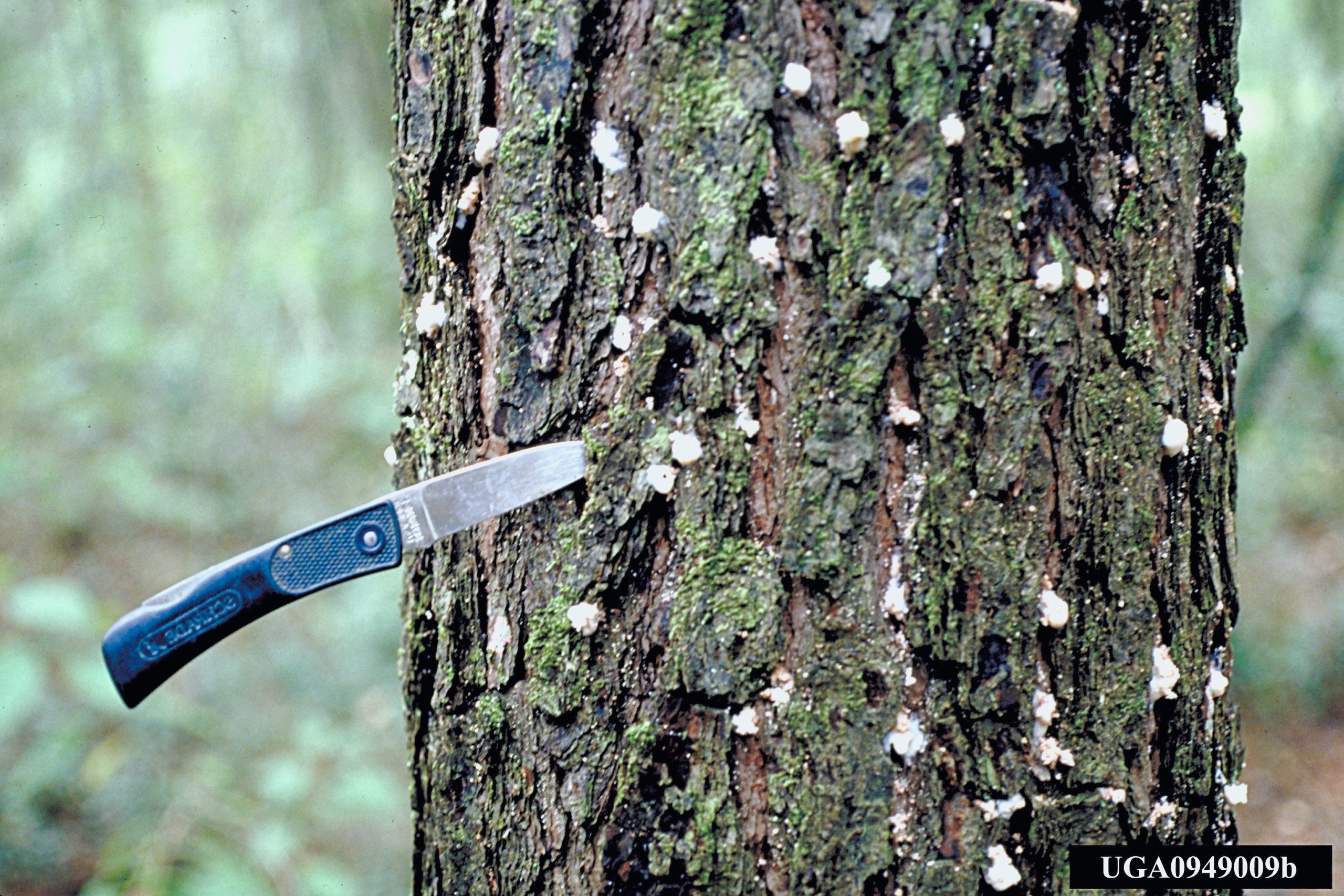
Southern pine beetle (SPB) is a small native beetle that can cause a widespread damage in pine forests. Normally, SPB occurs in low levels attacking stress-weakened trees, but when SPB populations increase to epidemic levels, they will begin attacking healthy pine trees.

In February 2025, the second annual Wild Spotter Invasive Species Ambassador Training will take place at Lake Guntersville State Park in Alabama. This three-day workshop is designed to equip natural resource managers and community leaders with practical skills and tools to strengthen invasive species management, local program engagement, and community outreach.

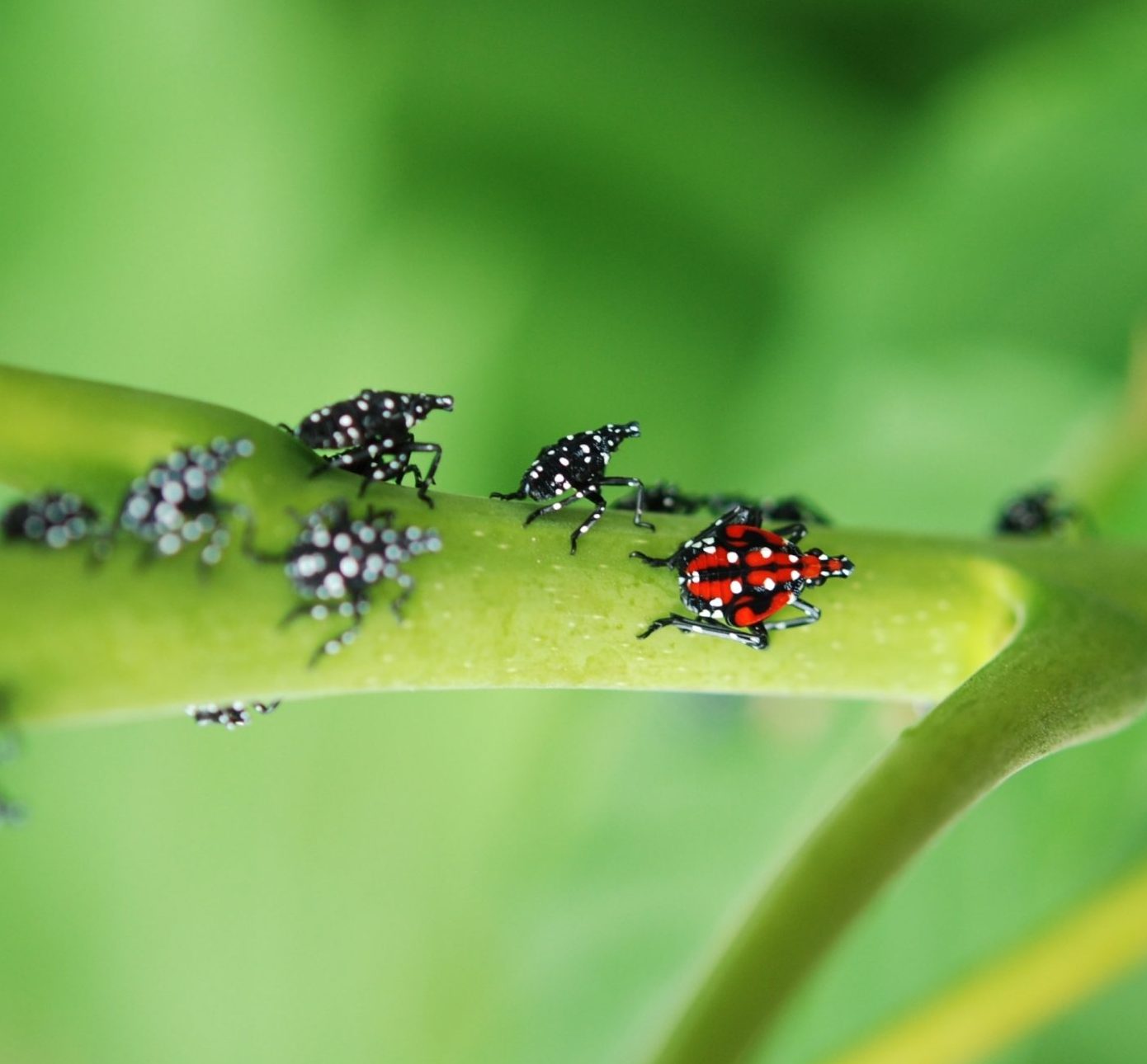
Spotted lanternfly, sometimes abbreviated SLF, has not been detected in Georgia…yet, but it was detected next door in North Carolina in Summer 2022. This is an invasive insect to keep our eyes open for, given its potential to damage crops and trees.

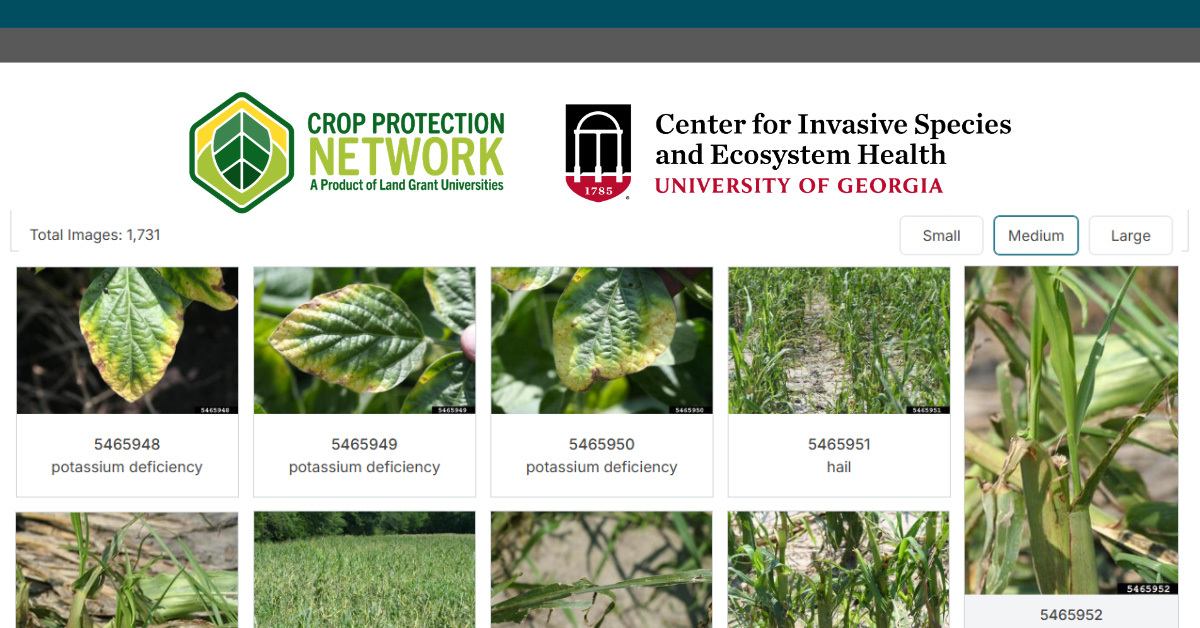
The Crop Protection Network and the UGA Center for Invasive Species and Ecosystem Health have come together to provide educators with high-quality plant disease, insect pest, and disorder images for non-commercial use.

Events that stress trees, like hurricanes, can cause bark beetle populations to explode into large outbreaks. In the wake of Hurricane Michael, many forest owners feared that the forest damage caused by the storm would lead to an outbreak of bark beetles.

Join the 5th Annual Joro Spider Spotting Contest, October 12–18, 2026. Submit sightings through JoroWatch.org, EDDMapS.org, or the free EDDMapS app and help track the spread of Joro spiders through citizen science.
Explore global invasive species challenges on the 2026 International Tour in South Africa, with immersive site visits focused on ecosystem impacts, land management, and innovative solutions.

Join the 2027 Wild Spotter Invasive Species Ambassador Training in Alabama to gain hands-on skills in community-based invasive species management, using tools like EDDMapS and the Wild Spotter app.

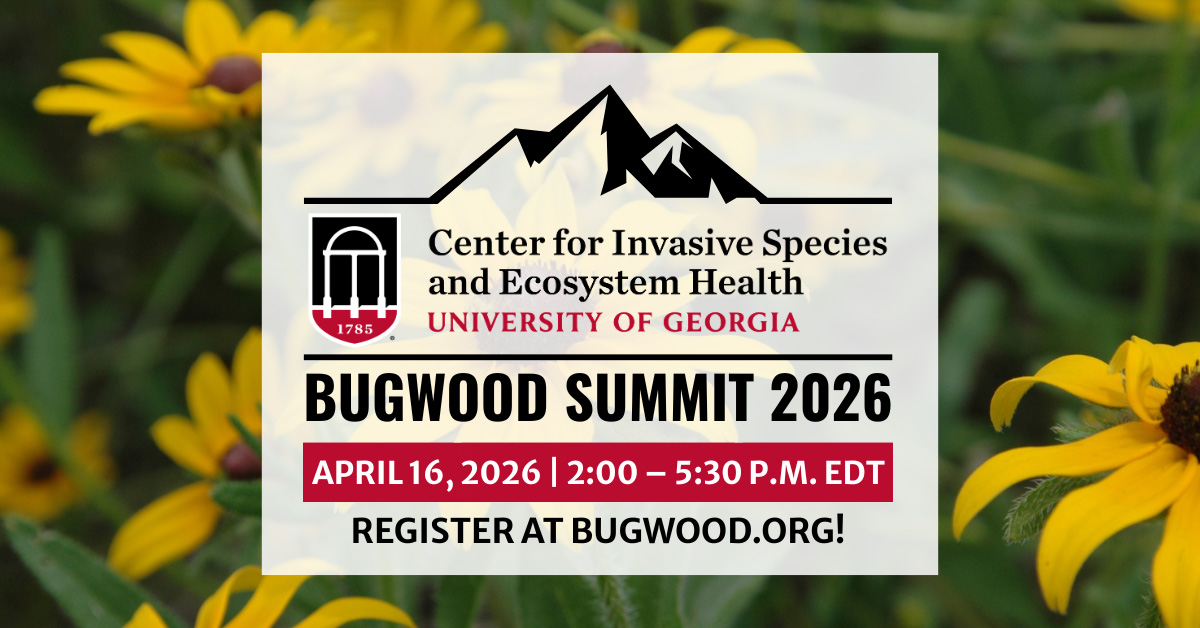
Celebrate 30 years of Bugwood at the 2026 Bugwood Summit, featuring the latest updates to EDDMapS, Bugwood Images, Wild Spotter, and real-world applications of these tools.

Bugwood, the University of Georgia’s Center for Invasive Species and Ecosystem Health, celebrates 30 years of advancing invasive species management through innovative technology and collaboration. From early CD-ROM projects to nationally recognized tools like EDDMapS and Wild Spotter, Bugwood continues to develop solutions that support education, reporting, and resource management. Explore how Bugwood Tools are driving impact and what’s ahead as the Center enters its fourth decade.

The Wild Spotter detection and outreach program is expanding its impact with the addition of two major federal partners: the National Park Service (NPS) and the U.S. Fish & Wildlife Service (USFWS).

Southern pine beetle, spotted lanternfly, fall webworm, and elm leaf beetles, oh my! Keep your eyes open for these summer tree insects.

Southern pine beetle (SPB) is a small native beetle that can cause a widespread damage in pine forests. Normally, SPB occurs in low levels attacking stress-weakened trees, but when SPB populations increase to epidemic levels, they will begin attacking healthy pine trees.

In February 2025, the second annual Wild Spotter Invasive Species Ambassador Training will take place at Lake Guntersville State Park in Alabama. This three-day workshop is designed to equip natural resource managers and community leaders with practical skills and tools to strengthen invasive species management, local program engagement, and community outreach.

Spotted lanternfly, sometimes abbreviated SLF, has not been detected in Georgia…yet, but it was detected next door in North Carolina in Summer 2022. This is an invasive insect to keep our eyes open for, given its potential to damage crops and trees.

The Crop Protection Network and the UGA Center for Invasive Species and Ecosystem Health have come together to provide educators with high-quality plant disease, insect pest, and disorder images for non-commercial use.

Events that stress trees, like hurricanes, can cause bark beetle populations to explode into large outbreaks. In the wake of Hurricane Michael, many forest owners feared that the forest damage caused by the storm would lead to an outbreak of bark beetles.