

Managing invasive species is a big job. For many land managers, natural resource professionals, conservation organizations, and community leaders, there is more land to monitor and protect than staff and resources can handle.
Community involvement can help—but getting people involved requires more than simply asking for volunteers. How do you reach the right people, give them a meaningful role, and create a program that keeps them engaged?
The 2027 Wild Spotter Invasive Species Ambassador Training provides the framework, skills, and strategies needed to build successful programs and turn community interest into on-the-ground action.
Wild Spotter is a free citizen science campaign that combines people, outreach, technology, and invasive species reporting. It offers a place-based approach to invasive species mapping, making it an ideal tool for communities that want to focus on the places they care about. A designated Wild Place can be small or large—from a city park or community greenspace to a national park, national forest, or wildlife refuge. Each Wild Place has a defined boundary and can have a customized invasive species list. Reports submitted through Wild Spotter correspond to that specific place and are collected in EDDMapS, giving land managers and communities locally relevant information to support their work.
Building the People Side of Invasive Species Management
The Invasive Species Ambassador Training focuses on the human side of invasive species management. It is not an introductory course in invasive species identification or management techniques.
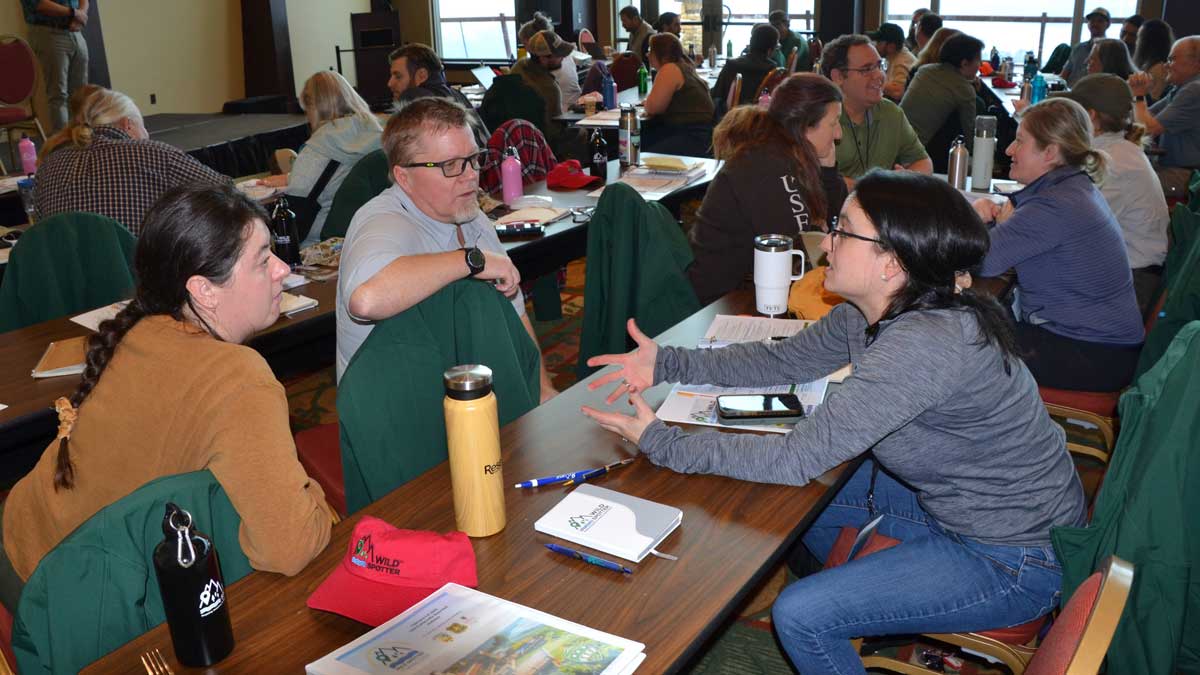
During the three-day training, participants will learn strategies for:
- Recruiting, coordinating, and retaining volunteers
- Building partnerships and engaging stakeholders
- Strengthening leadership and collaboration skills
- Using community outreach, environmental education, social media, and multimedia
- Building financial capacity to support local programs
- Integrating Wild Spotter into a community-based invasive species effort
Continuing the Work as an Ambassador
Becoming an Invasive Species Ambassador begins an ongoing connection with Wild Spotter. After the training, Ambassadors are encouraged to put what they have learned into practice in ways that fit their organizations, communities, and Wild Places.
The program is built around shared support and participation. Ambassadors gain training, resources, professional connections, and ongoing support from Wild Spotter Headquarters as they develop and implement their programs. They can reach out to HQ for guidance, answers to questions, program resources, and help promoting their activities. In turn, their experiences, ideas, and involvement help Wild Spotter and the Ambassador network continue to grow and improve.
Join a Growing Ambassador Network
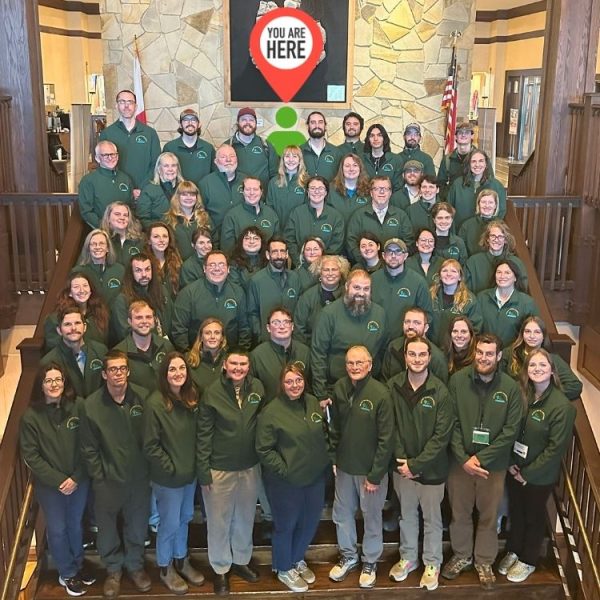
The inaugural Class of 2023 graduated 59 Ambassadors, and the Class of 2025 added 58. Together, these classes have created a network of 117 Ambassadors, with the Class of 2025 helping establish 25 new Wild Places.
The Class of 2027 will join this growing network and help shape where it goes next.

Who Should Apply?
Anyone involved in managing or stewarding land where invasive species are a concern is encouraged to apply. This includes:
- Natural resource and land managers
- Invasive species program staff
- Biologists, scientists, educators, and interpreters
- Volunteer and outreach coordinators
- Conservation organizations and “Friends of” groups
- Tribal, federal, state, regional, and local partners
- Landowners, citizen scientists, weed wranglers, and community leaders
Priority will be given to front-line operators and program staff working at the community or unit level.
2027 Training, Tuition, and Lodging Details

- Dates: February 2–4, 2027
- Location: Lake Guntersville State Park Lodge, Alabama
- Application Deadline: November 4, 2026
- Lodging Reservation Deadline: January 8, 2027
- Dates: February 2–4, 2027
- Location: Lake Guntersville State Park Lodge, Alabama
- Application Deadline: November 4, 2026
- Lodging Reservation Deadline: January 8, 2027
Admission is application-based. Tuition is $335 per trainee and includes all meals during the training.
Reserved lodging rates of $119–$139 per night, plus applicable taxes and fees, are available through January 8, 2027. A four-night stay is recommended, with check-in on Monday and check-out on Friday.
Based on the higher nightly rate, a $1,000 budget should comfortably cover tuition and lodging. Travel costs are the trainee’s responsibility. Complimentary shuttle service is available to and from Huntsville International Airport.
Venue & Travel information is available here.
Apply, Nominate, or Share
Only 60 participants will be accepted into the 2027 Ambassador Class.
If you want to build greater community involvement in caring for the places you manage, apply to become an Invasive Species Ambassador. You can also nominate someone who could lead this work or share the opportunity with your professional network.
Questions? Visit the Frequently Asked Questions or contact mappinginvasives@gmail.com.